Valerian Root Tradition
Valerian root has been part of evening botanical customs in European herbal practice for over two thousand years, referenced across ancient and medieval botanical manuscripts.
Exploring how traditional herbal moments fit quietly into the natural flow of an everyday day — morning, midday, and evening.
In many traditional cultures, the morning has long been marked by simple plant-based rituals — a warm brew, a few minutes with botanical ingredients, a quiet start connected to nature.
Traditional morning routines in Ayurvedic and Mediterranean botanical practice often begin before other daily activities — a moment of stillness before the day begins to move.
Peppermint, rosemary, and lemon verbena have long been associated with morning moments in European herbal traditions — bright, aromatic plants connected to the start of a new day.
Before moving into the day's activities, many traditional botanical routines include a brief, unhurried period of stillness — a simple pause to settle into the morning.
Many historical botanical traditions placed great importance on a pause in the middle of the day — a moment to step away from activity and reconnect with a quieter rhythm.
Chamomile, linden blossom, and elderflower form a traditional midday blend in Central European herbal practice — a gentle, unhurried pause from the activities of the afternoon.
Traditional herbal lifestyles across many cultures incorporated outdoor time as part of daily rhythm — connection to the natural environment as part of the same calm tradition.
Botanical traditions are deeply seasonal. Many historical herbal practices shifted their midday rituals across the year in response to the changing availability of plants and natural light.
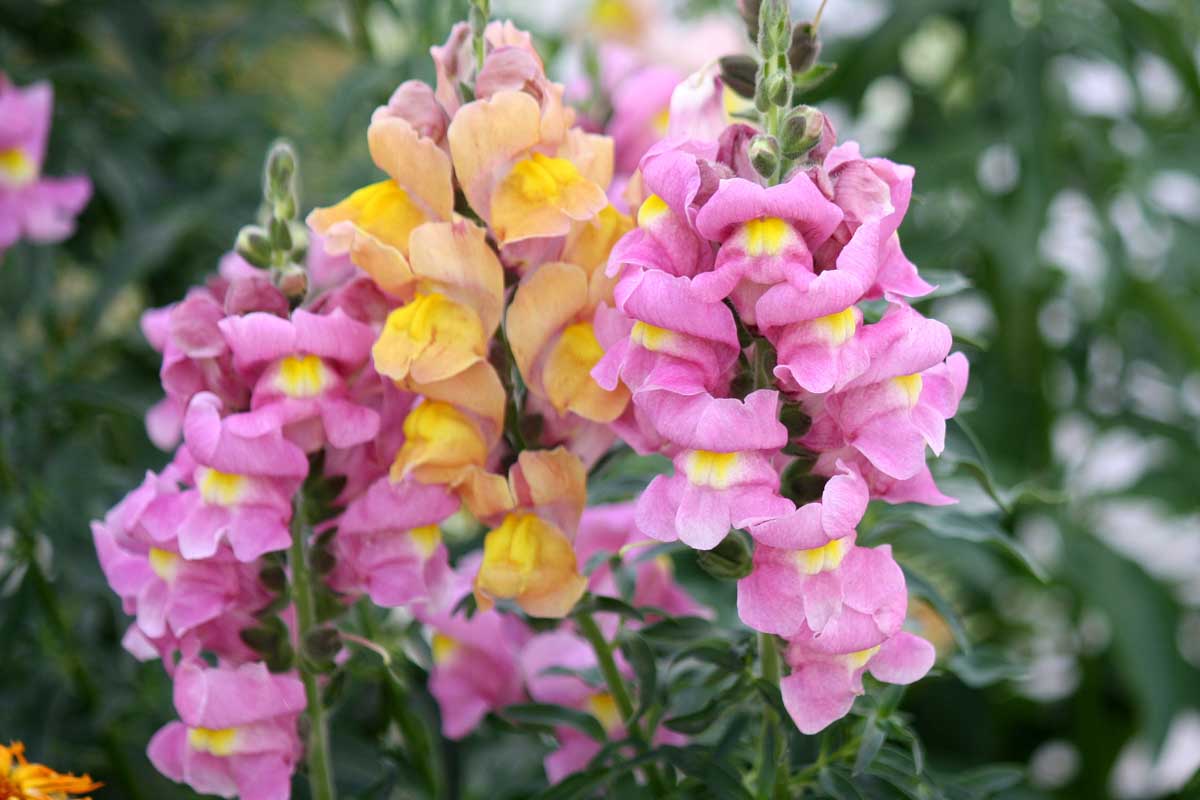
Evening has long held an important place in herbal traditions across cultures. Across European, Asian, and indigenous botanical traditions, the end of the day was often marked by gentler evening routines and plant-focused customs.
Valerian root has been part of evening botanical customs in European herbal practice for over two thousand years, referenced across ancient and medieval botanical manuscripts.
Originally from the Americas, passionflower was adopted into European botanical tradition in the 17th century and has been part of evening herbal customs ever since.
Lavender has been cultivated in European gardens for many centuries and woven into evening traditions in both culinary and botanical contexts across the Mediterranean.
"What is a garden but a place to learn the patience of seasons?"— A reflection on botanical rhythm
Traditional botanical lifestyles were rarely rigid. They followed natural, seasonal, and personal rhythms rather than strict schedules. Here is how a simple, plant-inspired week might look as an informational reference.
Morning botanical brew and a simple intention for the days ahead. Plant-based traditions often mark the start of the week as a moment of re-grounding.
A midweek pause — traditionally a moment to step back from daily activity and reconnect with something quieter, often plant-based and simple.
Many herbal traditions reserve the end of the week for a slower, more deliberate botanical moment — a longer brew, a seasonal preparation, or quiet reflection.